
Yes, that’s a very irrelevant Salt-n-Pepa reference to prove that I’m old. Or is it? The opening lines to “Let’s Talk About Sex” are shockingly appropriate:
Yo, I don’t think we should talk about this
(Come on, why not?)
People might misunderstand what we’re tryin’ to say, you know?
(No, but that’s a part of life)
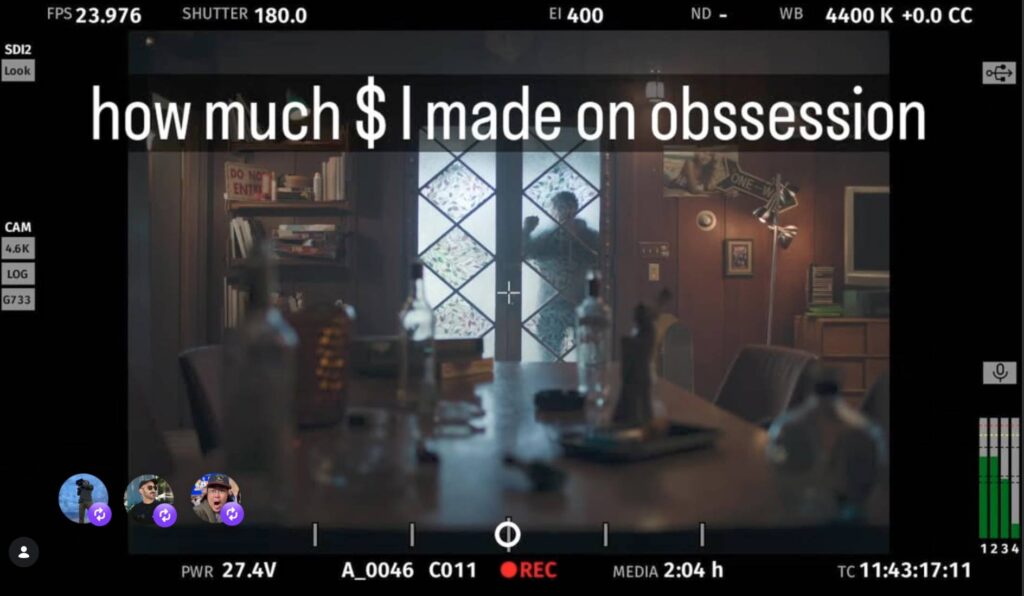
Talking about money is one of the last things people openly discuss. I’ve spent way too much time thinking about this topic as a long time filmmaker in Los Angeles. Perhaps you can relate? The viral post from the Art Director of Obsession propelled me to share some thoughts here (at the great risk of being misunderstood) on the topic.
Rates as currency for self-worth
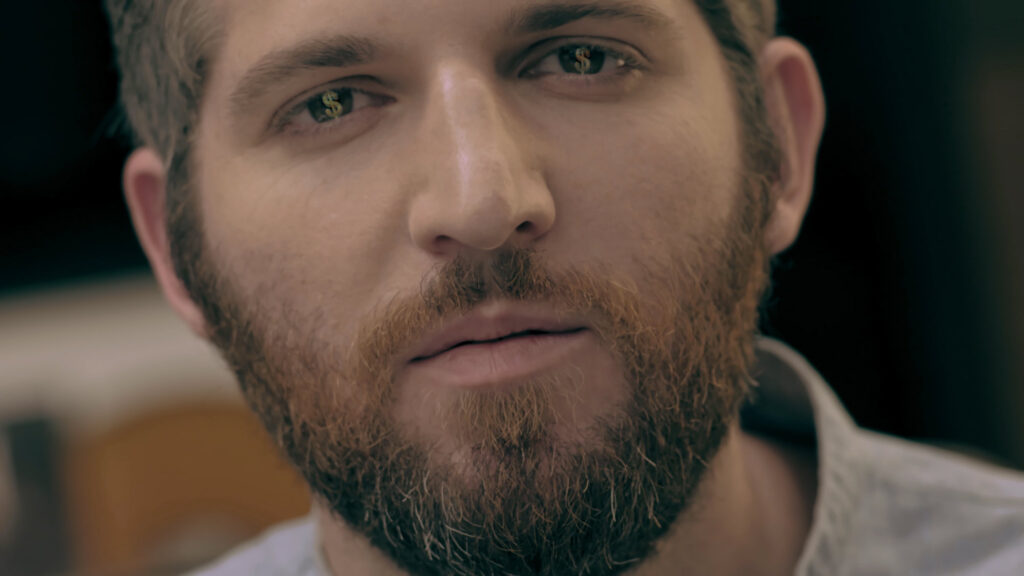
The main problem I find is that it’s hard to separate compensation from calculating my self worth. If a producer offers what I feel is a low rate, then I question if they appreciate my artistry and/or don’t see the value of my contributions. Beyond paying the bills, a higher rate feels like validation. I’ll never forget the first time I got paid to work on set, which honestly came after far too many volunteer days as a camera assistant. Similarly, I’ll never forget the joy that first time I made 4-figures for a single day’s work. It took almost exactly 5 years to go from my first paycheck as an AC to a 4-figure DP rate, which is an accomplishment. I’ve also had some really difficult and frustrating negotiations over my 20+ year career. When I see others calling attention to the subject it piques my interest.
A conversation a few weeks ago with a Producer friend of mine keeps looping in my head. They have a really exciting low-budget indie film in pre-production. It’s the kind of job that most of us would kill for: promising young writer/director, compelling script, and noteworthy cast. Yet they had an incident with their young cinematographer over money. This person has never shot a feature, but had some demands that production couldn’t fulfil when it came to their deal memo. The DP asked that the producers “ethically allocate budget” to satisfy their wishes.
I promise to use that phrase whenever possible.
Looking back at my own negotiation missteps when I was in my 20s helps me empathize with how this DP felt disproportionately secure in their demands. I infamously asked for backend participation on a short film, but that’s because I worked for free. That being said, it’s a different world now. Large swaths of the ASC clubhouse are unemployed because production is scarce, yet this person with a limited resume attempted to strong arm producers.
The elusive first feature
When I came up in the industry, there was a well known anonymous quote, “you pay them for your first feature.” This made perfect sense to me, as I found it surprisingly difficult to find someone willing to “take a chance on me.” I didn’t understand what made a feature so different from shorts (which I had solid experience shooting). Nevertheless, that divide exists.
When I eventually booked that first feature in 2007, I didn’t care about the rate as I knew it would unlock this elusive gate. While I got paid a measly $100/day, I was absolutely thrilled. At 25 and less than 3 years out of film school, I cared most about fulfilling my goal of shooting features! Three years later, my day rate on my fourth feature only grew to $200/day ($305.57 when adjusted for inflation).

I wasn’t expecting this coincidence, but $300/day is the rate that Sally Choi received on Obsession. I’m having trouble finding a lot of information about her, but she currently has 5 credits on iMDb Pro and no representation. It seems like she got a decent career opportunity when booking Obsession and is extremely lucky to have worked on a generational box office breakout.
That DP I mentioned earlier wasn’t willing to compromise on their demands and left the project as a result. Rising tides lift all ships and having your work seen is what matters most when moving up the ranks. I fear that that DP will wake up one day and realize that they missed the opportunity of a lifetime because of a few extra dollars. Having recognizable films on your resume will catapult your career. It all takes patience. I similarly fear that Sally sabotaged her future earnings by complaining that she isn’t getting a piece of that gigantic box office.
The holy grail: profit participation
Ask yourself this question: would you rather make an extra $200/day or work on a film that breaks box office records even if you don’t see a dime of that backend? The unfortunate truth is that the craftspeople who sweat to make films rarely reap the rewards of their success. Wilson Pickett’s brilliant 1969 cover of “Hey Jude” is boosted by young Duane Allman’s unforgettable guitar, but it’s a footnote in rock trivia. Those studio musicians on your favorite albums are bought out and rarely recognized for their indelible contributions.
Should this be different? Yes! Will it change? Probably not.
As long as we live in a world with CEO pay disparity, stock buybacks, and giant corporations running studios, then we won’t have broad meaningful profit participation. There’s a dubious history of “Hollywood accounting tricks” to prevent profit sharing. How much of the gigantic upside is the film’s director and mastermind, Curry Barker, likely getting on the film’s success?
Backend profit participation is something for which I’ve always fought. It confounds me that cinematographers are often excluded even though our contributions are so critical to the film’s architecture. Oddly enough, the only time I’ve ever received residuals they weren’t in my contract! One day out of the blue, I received a check for $1200. I still don’t understand why as the film didn’t appear to make much money. Nevertheless, it was a very pleasant surprise from production. Sally’s story will have a storybook ending if all the crew—particularly the unpaid volunteers she mentioned—get significant checks thanks to the film’s success.
The fallout
I admire Sally for using her platform to spark this much needed conversation about the exploitative nature of low-budget filmmaking. I just hope there isn’t retaliation and she doesn’t regret doing so. Perhaps she’ll be remembered for leading a meaningful change in how crew get compensated like Curt Flood revolutionized salaries for athletes. Then again, the team behind the wonderful indie, Sing Sing, already crafted a solid formula for granting equity to their crew. It just needs to gain wide acceptance.
While his cinematography on Clerks (1994) wasn’t particularly inspiring, David Klien ASC parlayed a gigantic career in the business with that early victory. Oftentimes relationships and exposure matter more than craft. Kevin Smith continued hiring David and their stocks rose in tandem with Mallrats and Chasing Amy. Strengthen and build relationships with your crew if you want to truly thrive in this industry. I genuinely wonder if Curry brings Sally back on future films after speaking out. Let’s hope so because I have a feeling he can offer more than $300/day. ✊