At some schools, parents are asked to write their children a comfort letter to be read in the event of a catastrophic earthquake.
I was shocked.
As someone who thinks about earthquakes more than most, the concept immediately captured my imagination.
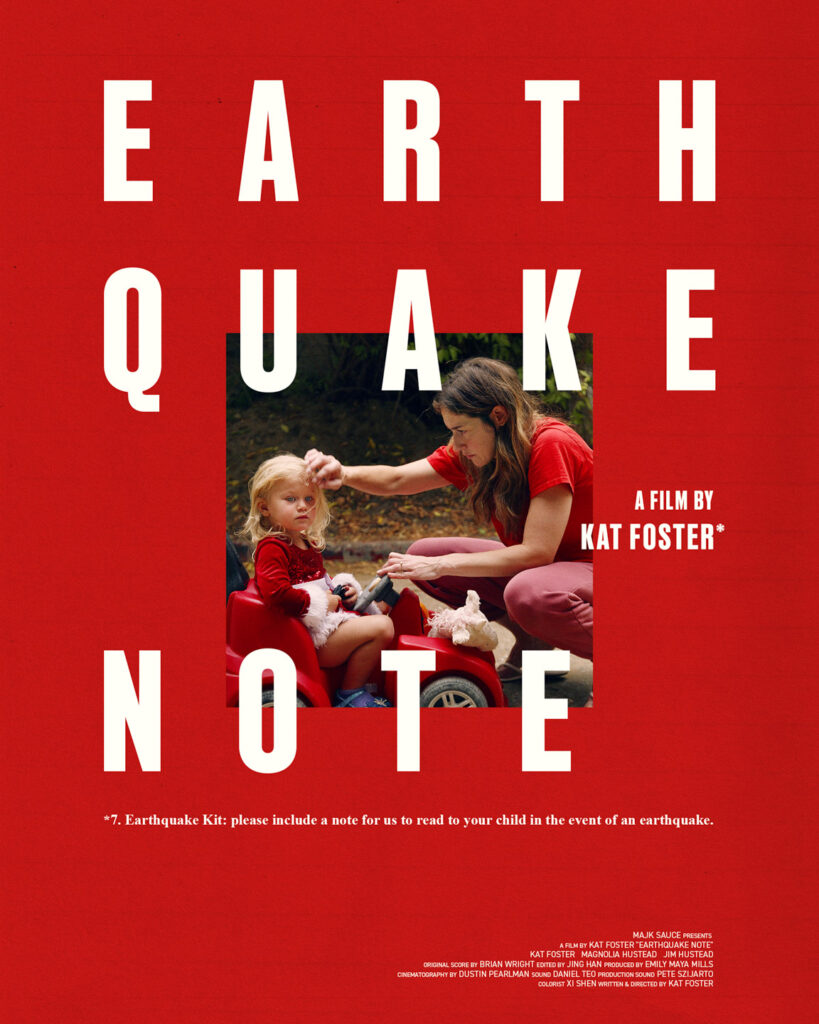
Kat Foster found inspiration for Earthquake Note when drafting said letter for her eldest child, August, when she started preschool several years ago. In the meantime, she wrote a wonderful script that examines the terrifying nature of being away from your loved ones during a major catastrophe—and the anguish of confronting that possibility.
Kat and I first collaborated back in August of 2011 on the comedic web series, The Newlymovedins. She wrote and starred in it with her then partner, Scott Rogers. While we had a great time making those, it’s been many years since we shared a set together.
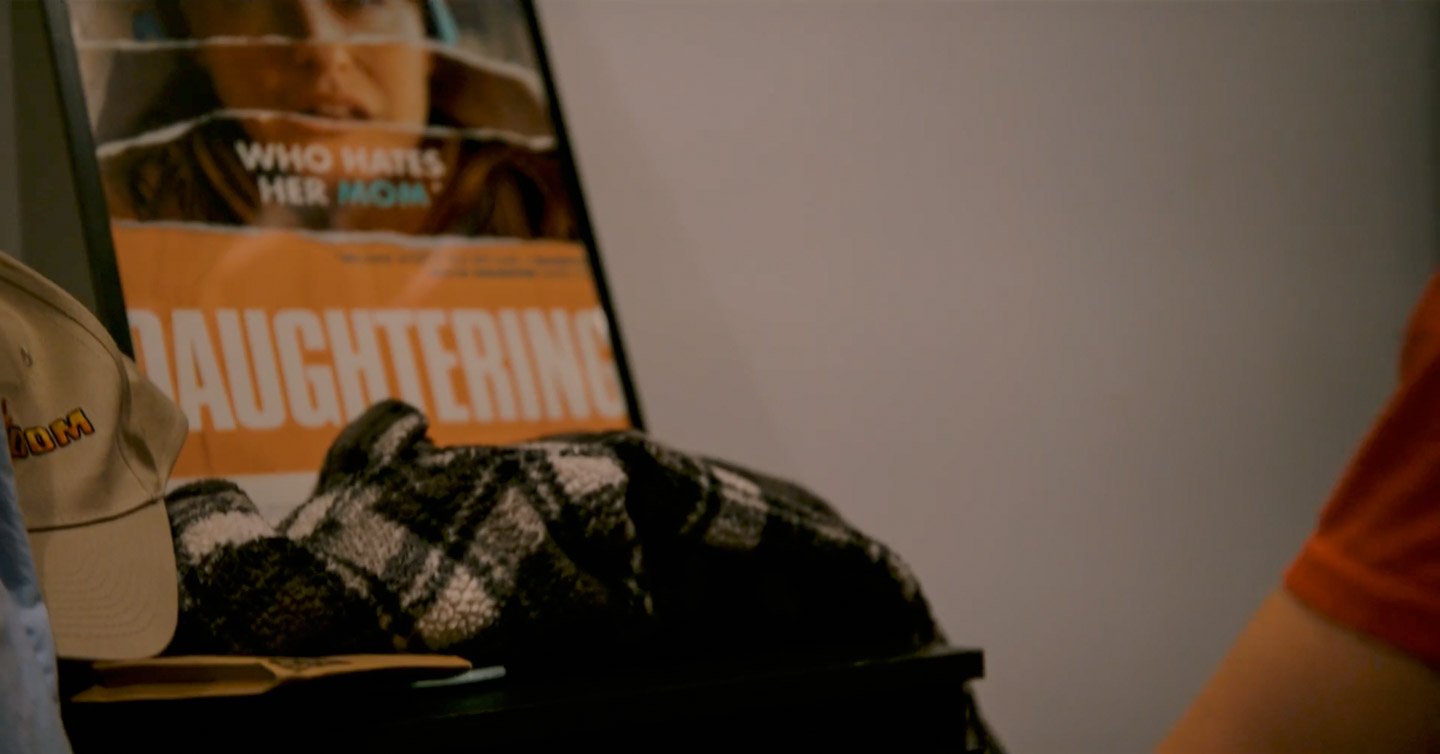
When she reached out last summer about a short film, I jumped at the opportunity. I loved Kat’s directorial debut, Daughtering (the movie poster even sneaks into a few frames of our film). Like many people, I was unaware of the premise behind this new short.
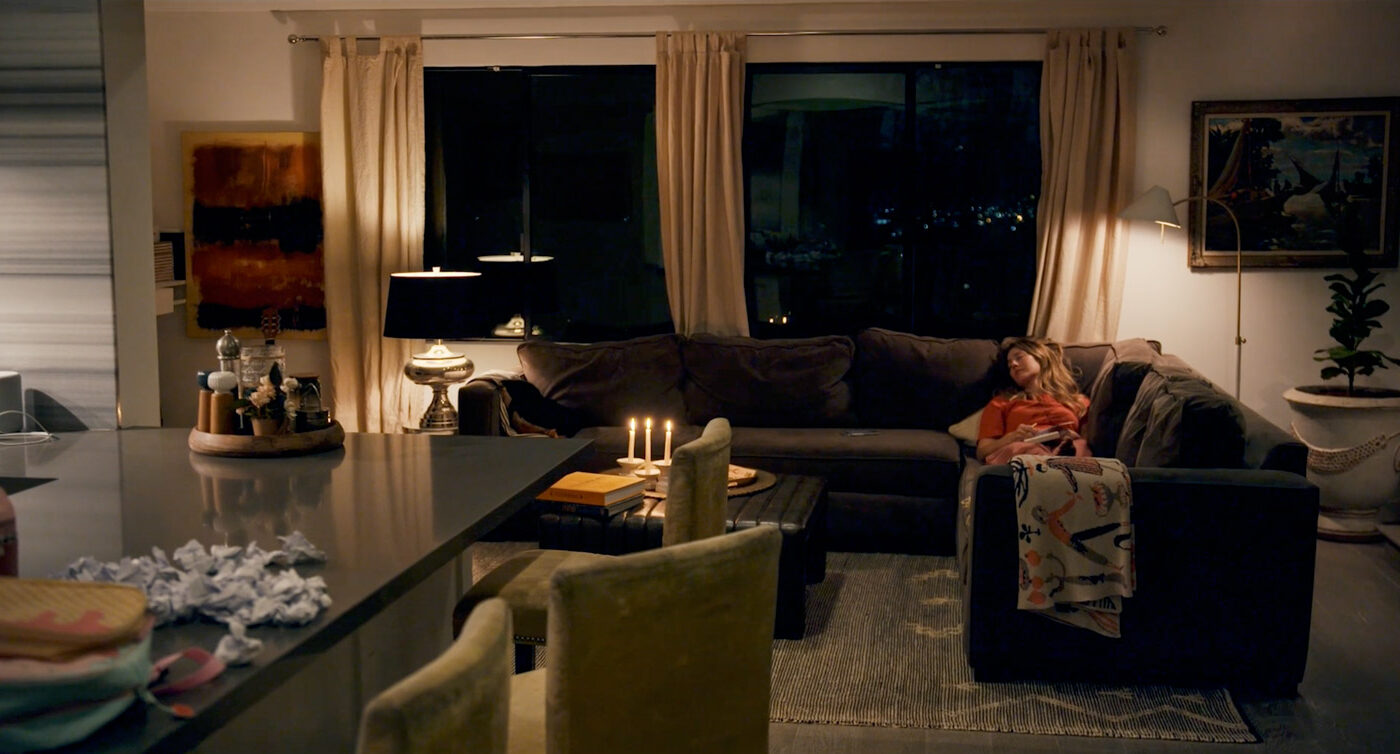
We wanted the film to feel authentic and verité, so we eschewed traditional movie lighting. I leaned heavily on my documentary instincts, staying out of the way as much as possible to capture genuine moments with Kat and her second daughter, Magnolia. Our goal was simple: don’t interrupt what’s real.
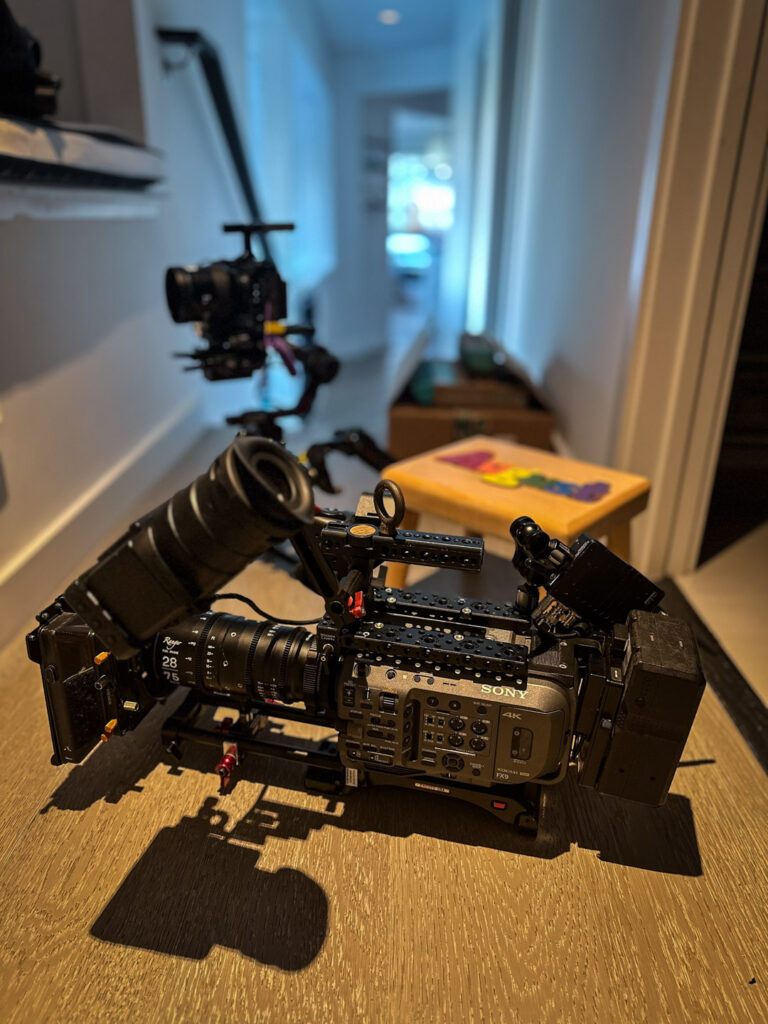
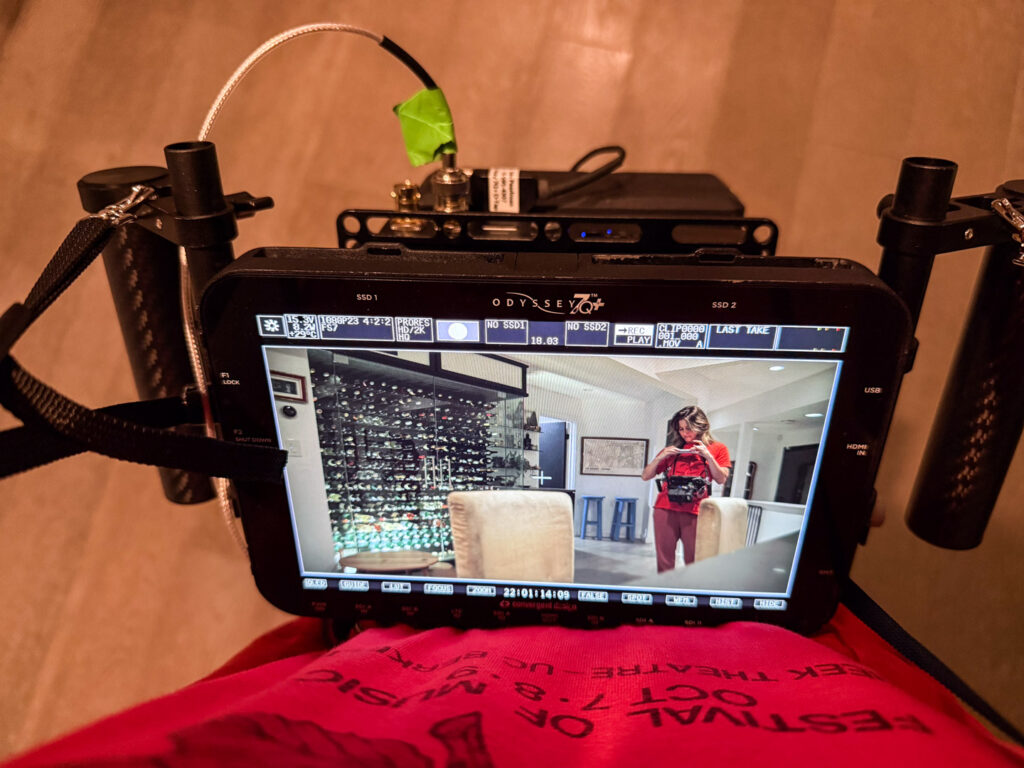
As much as I wanted to use my ARRI Alexa 35, my documentary package—a Sony FX9 with Laowa Ranger zooms—was the better tool for the job. The smaller footprint and ability to move quickly helped the camera to disappear and the performances to take priority.
We kept the crew intentionally lean so Kat and family wouldn’t be too disturbed/disrupted by filmmakers occupying their home.
The first production day was primarily unscripted. We wanted to allow the day to unfold naturally, with Kat carefully adjusting her performance to create the range of reactions and emotions needed to tell the story. Our wonderful producer, Emily Maya Mills, who is also an accomplished director, kept a sharp eye on things from a distance on a wireless monitor.
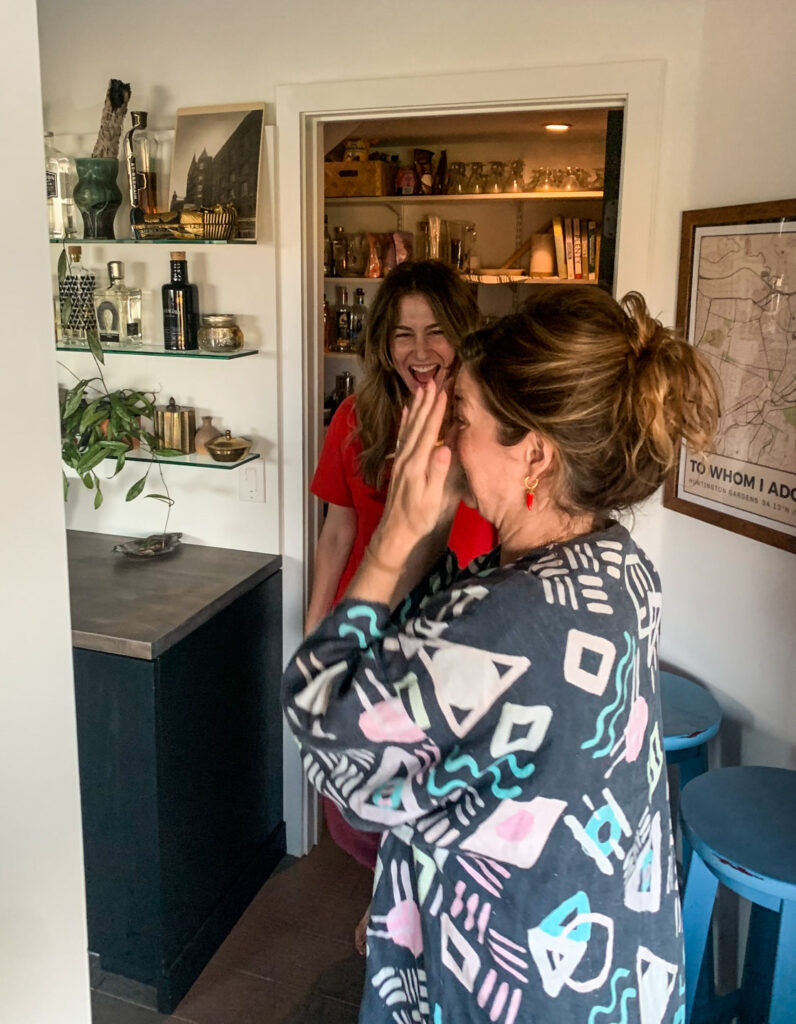
Kat and her gifted editor, Jing Han, later sifted through hours of footage to find the right moments and shape Magnolia’s “performance.” The second night was more straightforward thanks to Kat’s succinct script and the absence of another performer.
That second night tempted me to supplement the lighting in the house with a few additional units, but I resisted. My main concern was the harsh overhead PAR cans built into the ceilings. We cut small pieces of diffusion to soften the contrast and widen their spread across the large living room. They were already on dimmers, so we didn’t need much effort to set the final look.
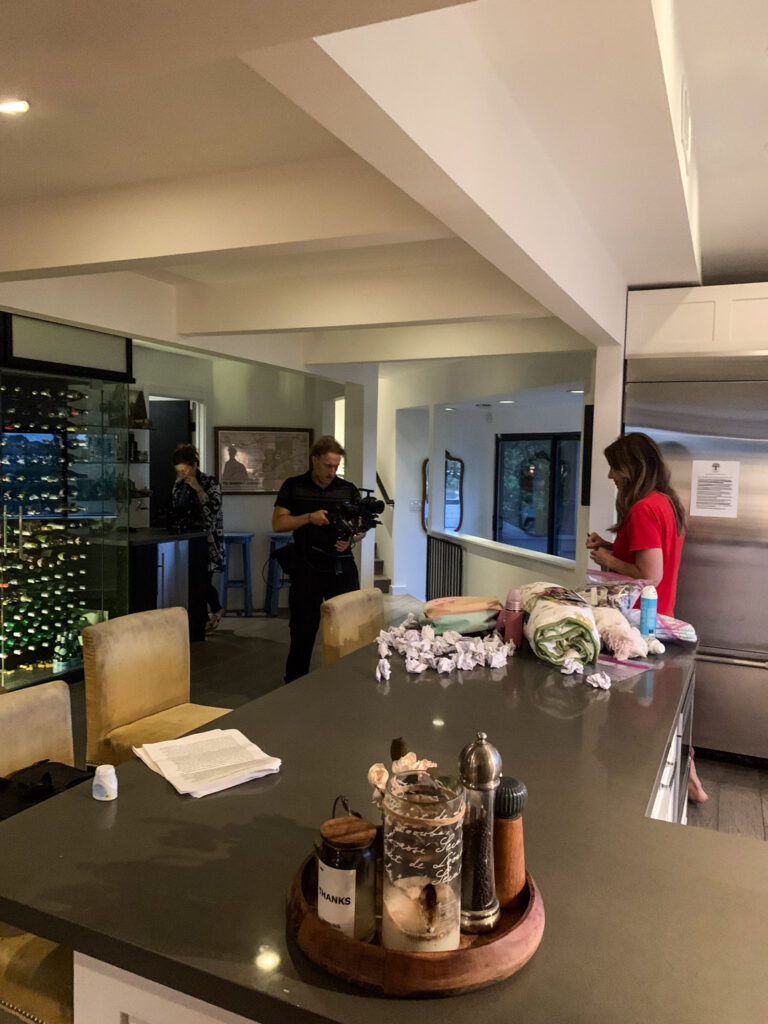
There were moments where I wished I could’ve nudged Kat forward or backward to optimize her position relative to the light, but we committed to long takes—and interrupting that flow would have worked against what we were trying to achieve.
To contrast the film’s handheld verite aesthetic, we opted to end it with a very composed/intentional oner to punctuate her journey. We shot 7 takes at dawn with the Sony FX3 on an RS3 Pro to wrap things up before I jumped on a plane with my gear to Reno for another shoot. The first 5 were on the Zeiss Batis 40mm/F2 and just in case we wanted to introduce edits later, we did a final pass on the 85mm/F1.8. That final 40mm take is in the movie.
Considering we exclusively used available light, I’m really proud of how it turned out and how it looks.
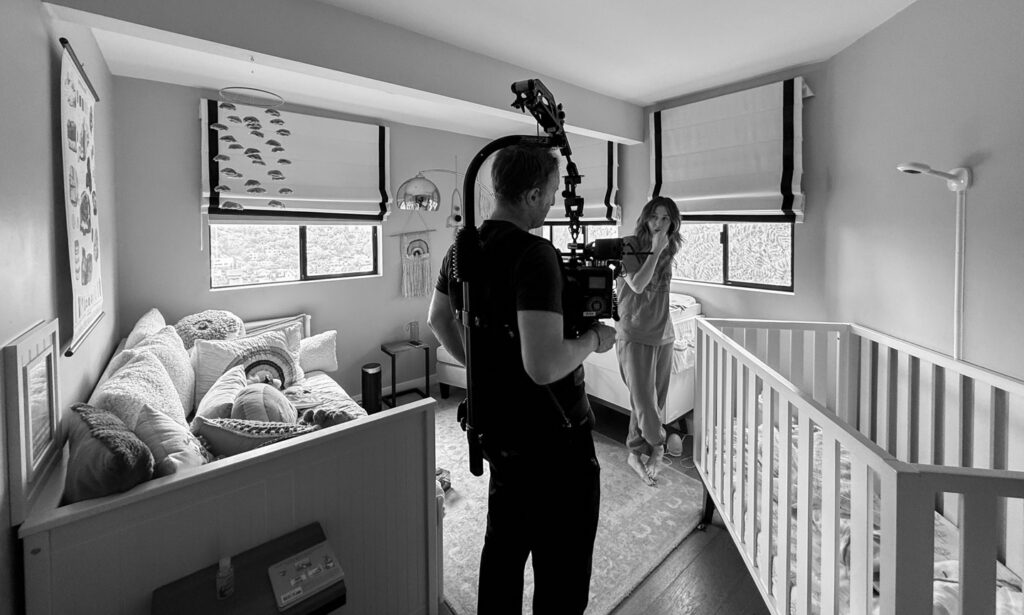
I have a feeling this is the start of a long and prosperous festival run for Kat’s film. We hope you get a chance to see it soon.
Earthquake Note premieres at the Dallas International Film Festival on April 24th and 25th. You can find tickets here.
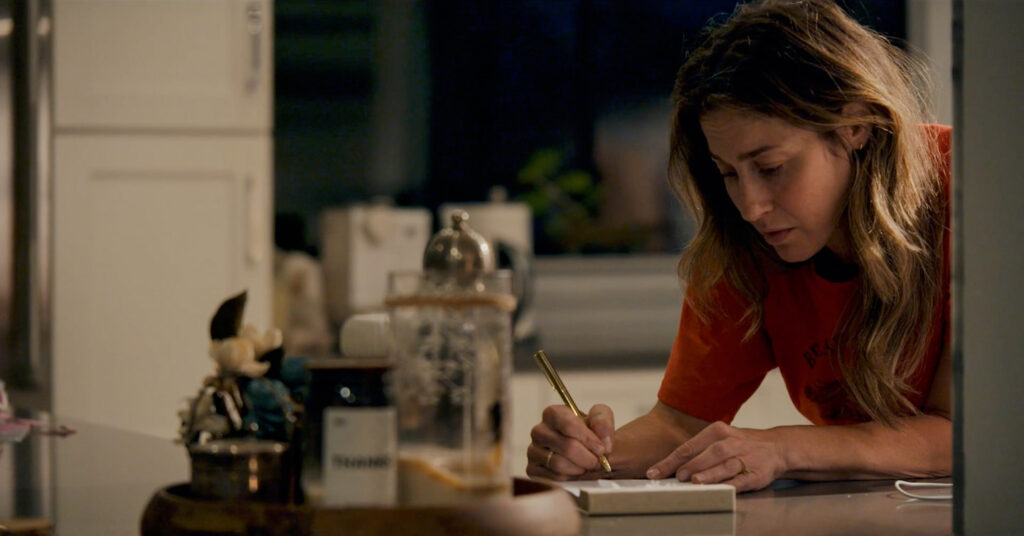
What would you write to your child in case of an earthquake? It’s an interesting exercise—even if you don’t live in a seismic area.