INITIAL DISCOVERY
Some of my fondest memories were formed in New York City. Over the decades, its reliably delivered great food, fun times with friends & family, and memorable art. I legitimately think about two such art exhibitions on an almost daily basis.
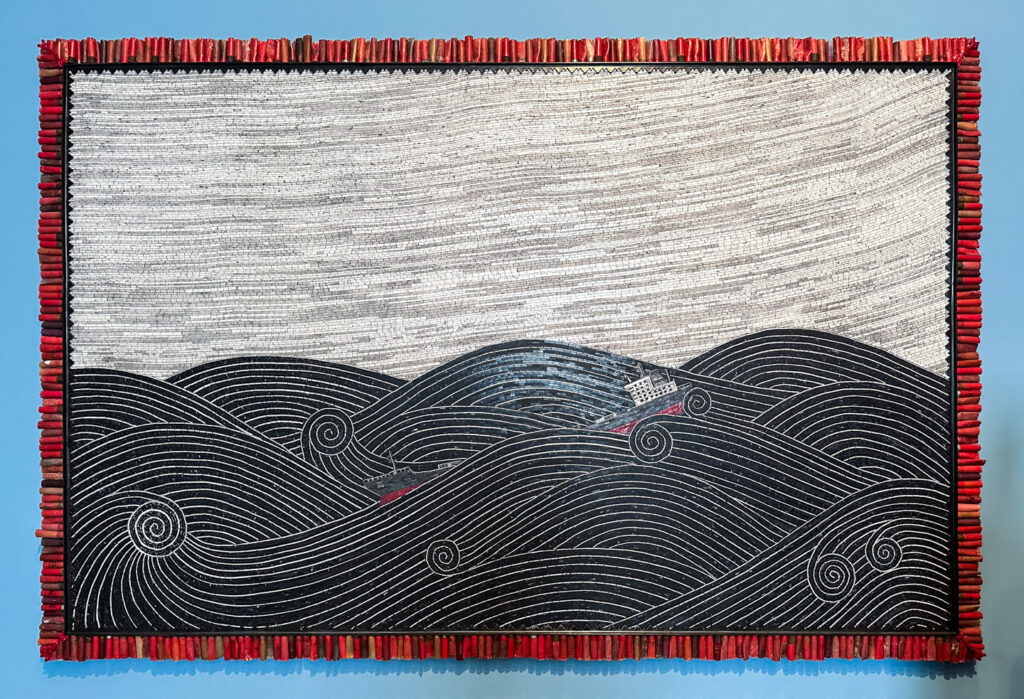
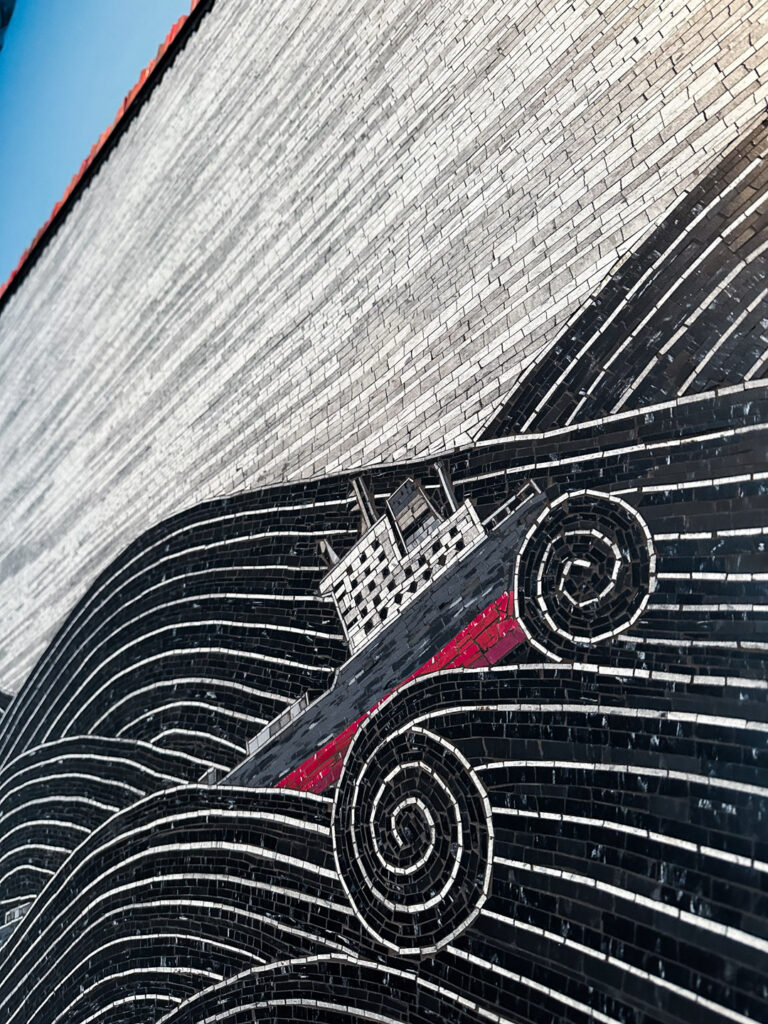
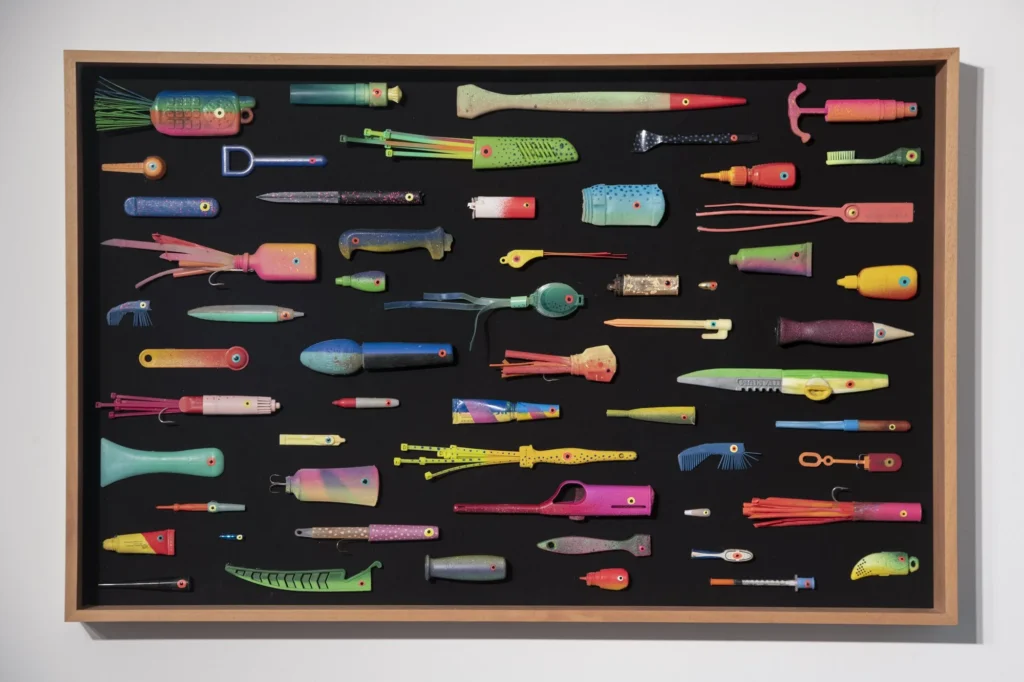
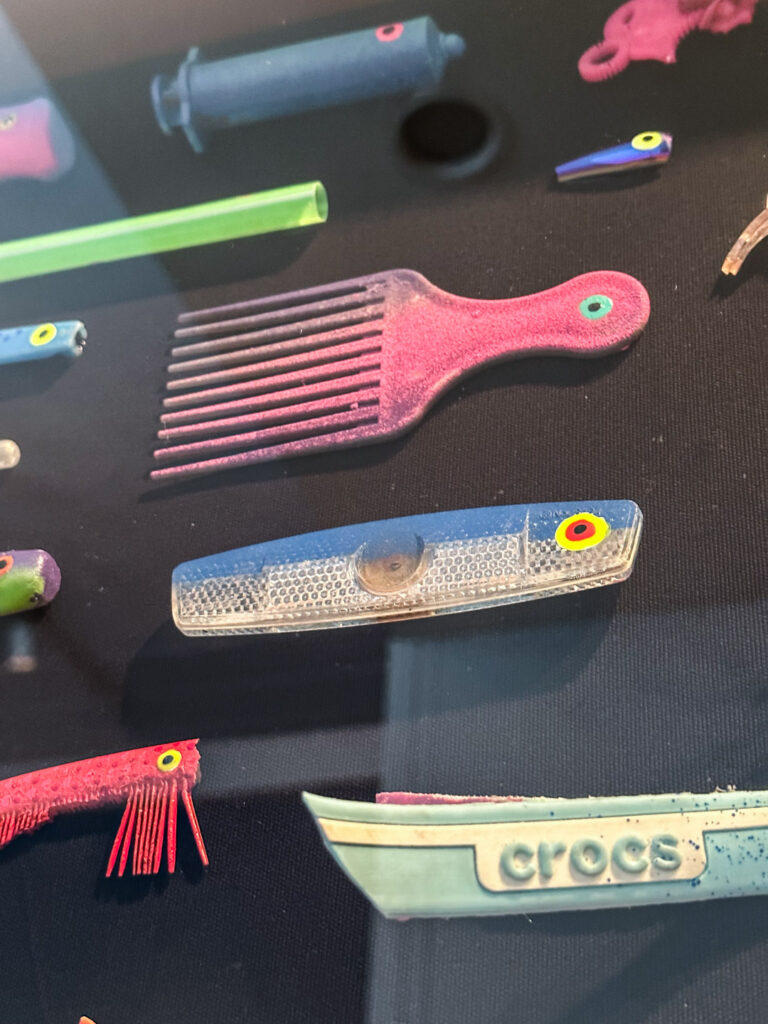
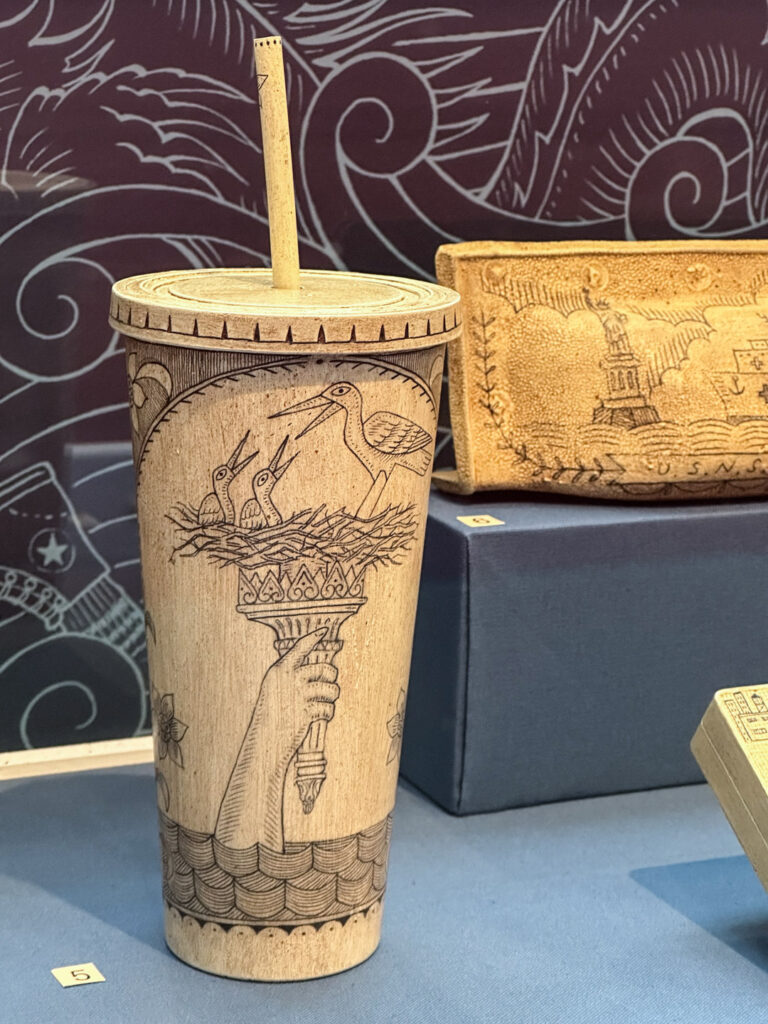
The first, is DEATH TO THE LIVING, Long Live Trash from Brooklyn-based artist Duke Riley who brilliantly salvaged materials from the beaches and transformed them into captivating art that comments on capitalism, waste, and the dire state our environment. I caught it in June 2023 and bring it up in conversation regularly. I took my time really examining—and photographing—his carefully constructed pieces.

The second, didn’t have its full impact on me until I left MoMA. In fact, I regrettably didn’t spent much time with it that day. My director friend, Aubrey Smyth, joined me for a day at the museum. Sadly, neither of us realized that the six-month residency of Christian Marclay’s The Clock (2010) was such a special occasion. I generally shy away from video installations at galleries. There’s a feeling or assumption that I can watch a video anywhere—like the comfort of my own home—that limits my desire to consume them at museums. I seek the thrill of inspecting a master’s paint strokes up close.
I couldn’t have anticipated that the roughly 40-minutes that we spent in that small theatre watching a single channel video installation would continue playing in my head in the subsequent time afterwards. We watched from about 11:30-12:10, but like many people didn’t devote much time to the piece.
WHAT AM I EVEN WATCHING?
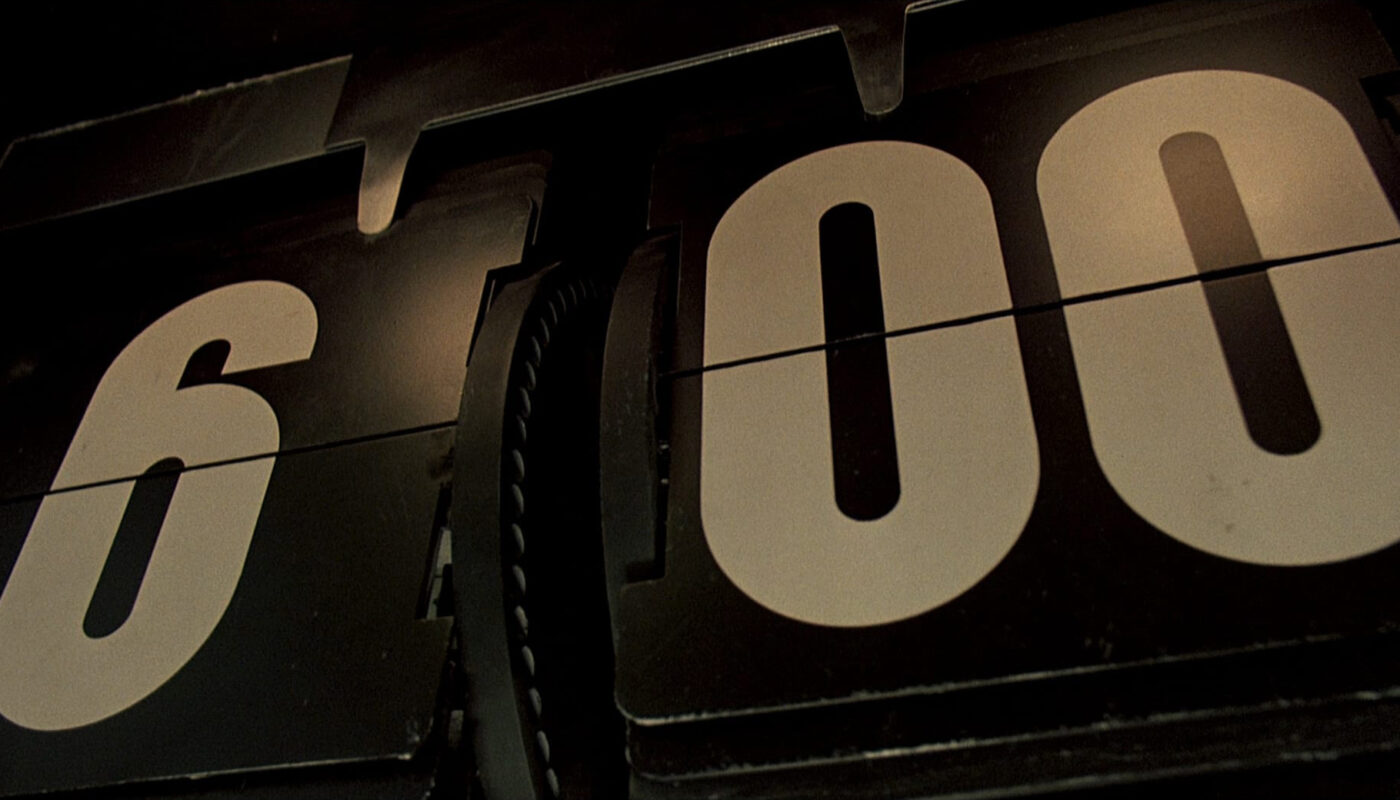
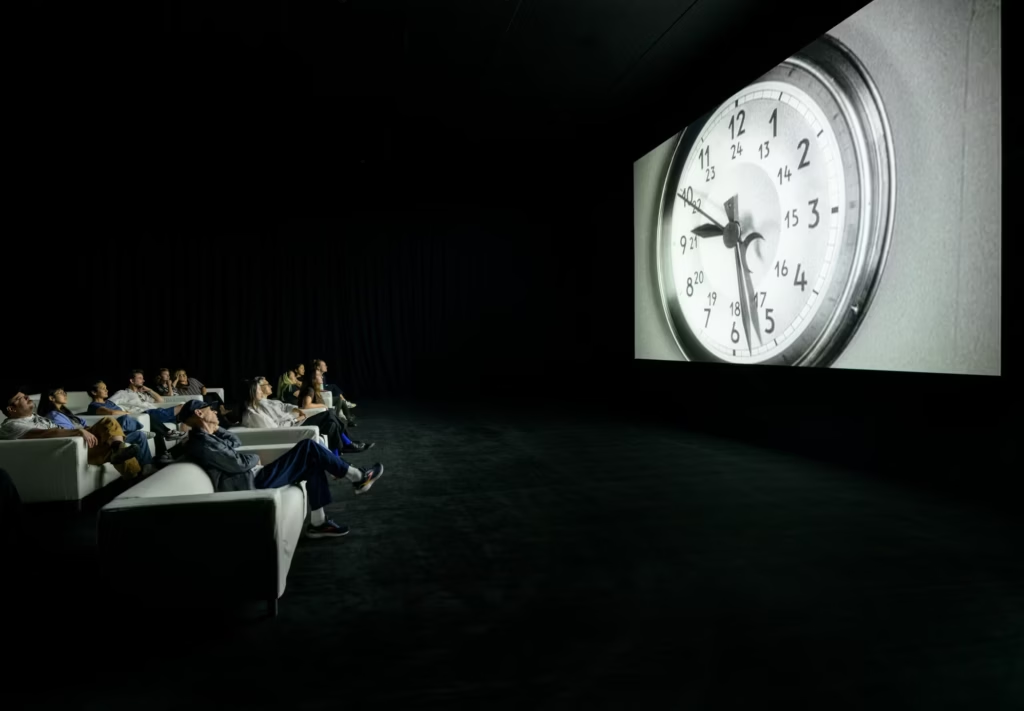
The Clock is a 24-hour film that syncs—almost—perfectly to the actual time of day. Christian and his team scoured the archives of 100 years of film and television for clips that call attention to time through dialogue or images that physically include timepieces.
I find it hypnotic and uniquely engrossing.
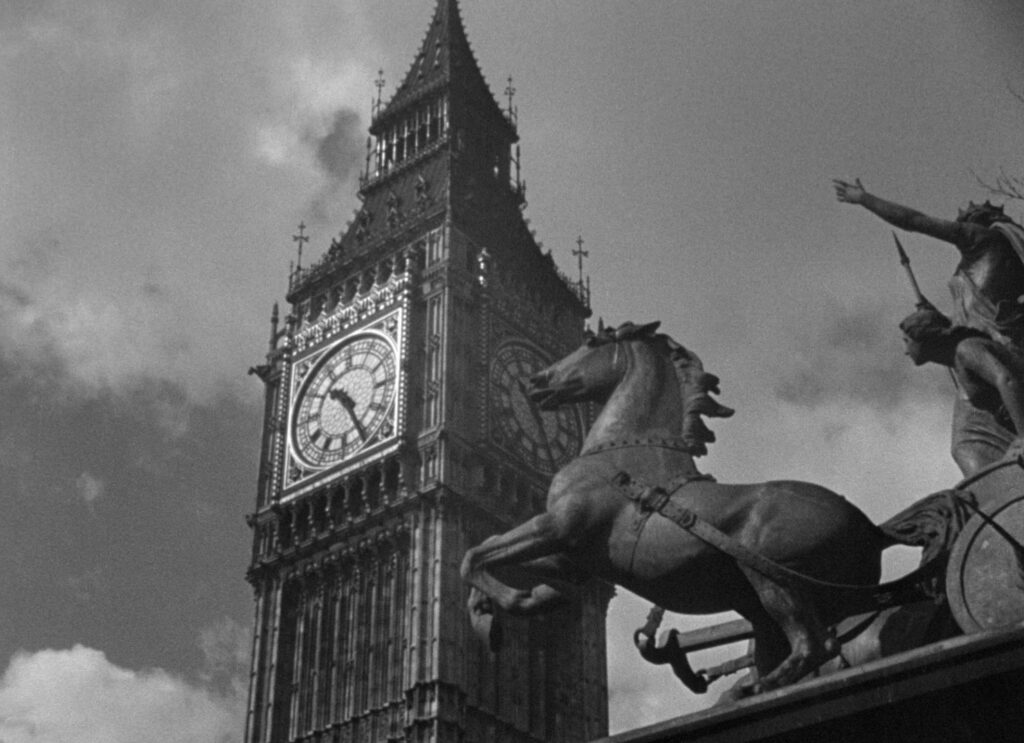
Yes, the Great Clock of Westminster appears countless times, but what’s most interesting to me, is how the experience highlights the crucial role of cinematography in storytelling. When he cuts between wildly different clips from giant studio films of yesteryear to more recent low budget episodic, it’s impossible to ignore how composition, light, and contrast instantly communicate so much to the viewer.
What’s going on with the character? What’s important to highlight in the frame or film location? What’s the mood? What’s the genre?
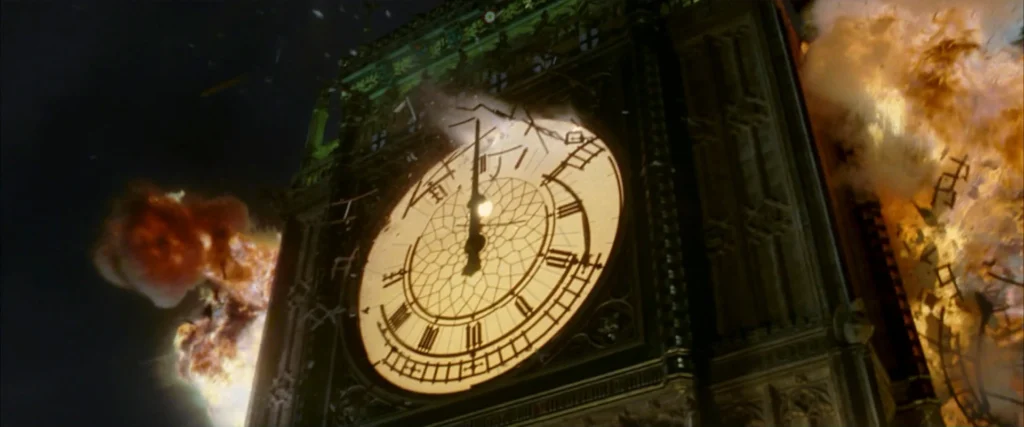
All of these things are on the minds of filmmakers at all times and the construction of The Clock showcases the successes and failures of visual storytelling due to its rapid fire editing. It’s remarkable how much information can be conveyed in a single frame without context to the surrounding story when done well. It’s generally rare to bounce between genre and looks so quickly and reliably in a single sitting. This is part of the disorienting nature of the film at first, which can be incredibly jarring and difficult to enjoy. It almost feels like a social media feed untethered from any algorithmic organization. But if you give your mind a chance to adjust to this unique format, then the reward is blissful.
I also find watching The Clock to be inspirational by showing the countless ways stories can be told visually. It reinforces my desire that any frame grab from something I’ve shot will tell a full story.
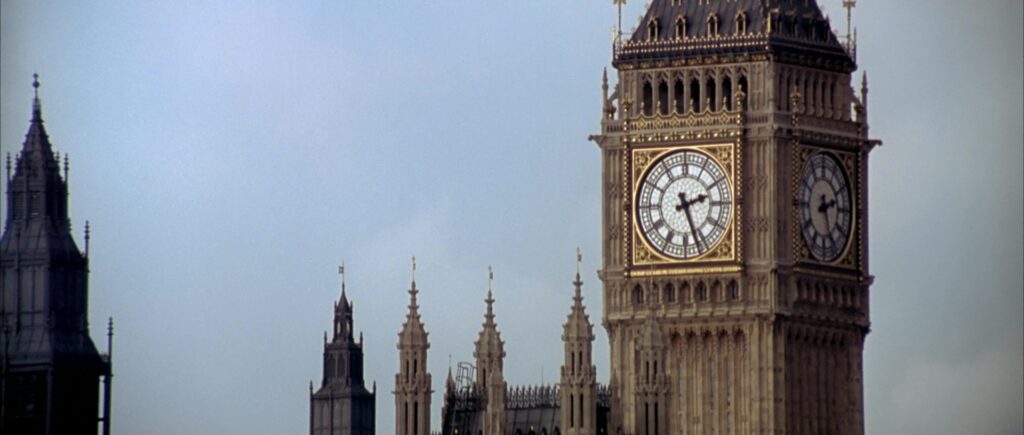
So what’s it about?
While the title refers to timepieces on camera, it is a meditation on time. I think about time too often. Punctuality is very important to me. I also try to optimize everything for maximum efficiency. Sometimes that backfires like the extra time it takes to grab extra bags of groceries instead of taking another lap with less bags per trip. One of my favorite filmmakers, Christopher Nolan, explores time in many of his films. It’s both tragic and ironic that one of his most appropriate entries, Inception (2010), had its London premiere a mere three months before The Clock debuted in London’s White Cube gallery. So many shots would’ve worked perfectly.
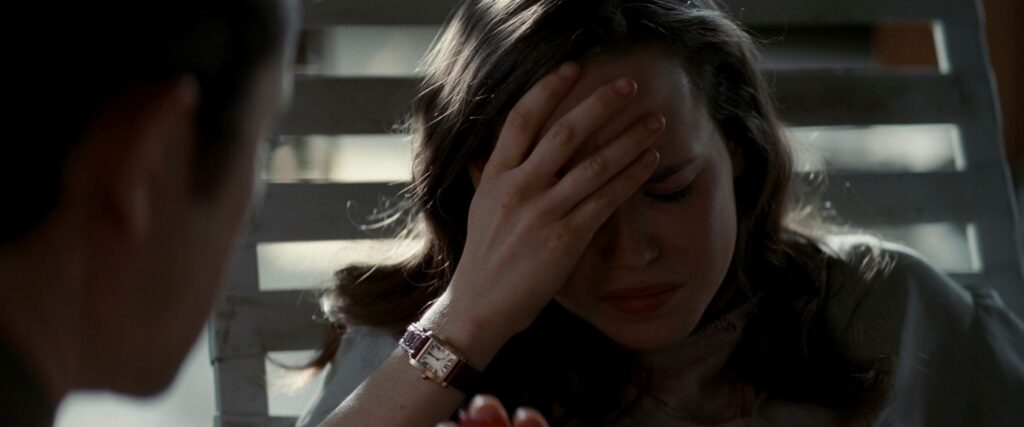
There are numerous monologues where people discuss how fleeting and precious time is, and by constantly showing us the passage of time, one can’t help but think about how we spend it. Sometimes it feels like Marclay is making fun of us for spending our free time watching a 24-hour film, that is virtually impossible to watch from start to finish for physical and logistical reasons. Then again, he devoted three years of his life to painstakingly craft it, so any dig is self deprecating.
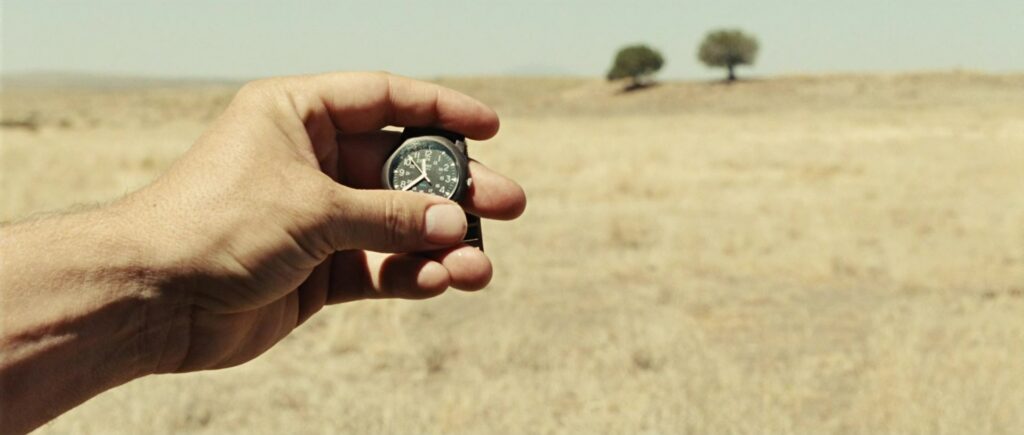
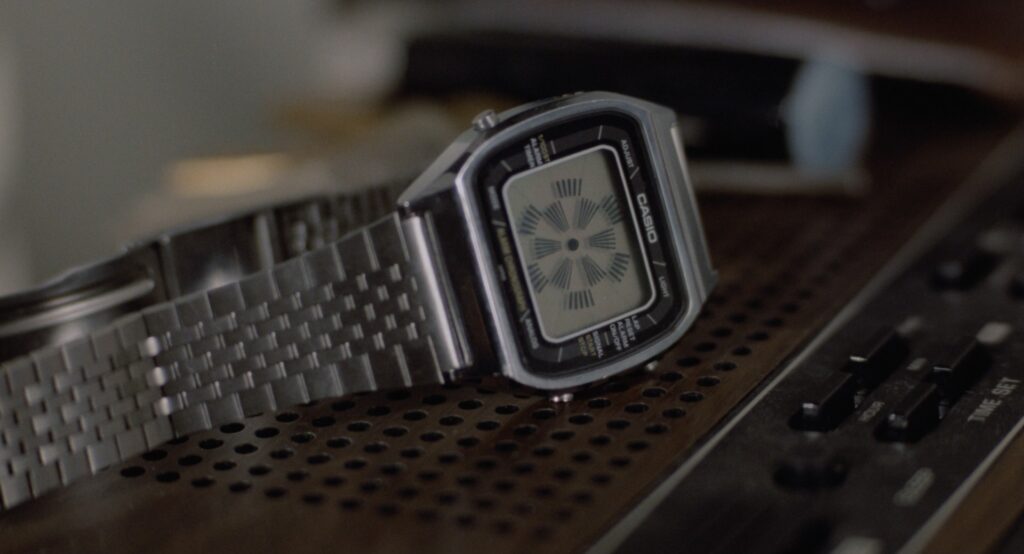
Part of the joy comes from the sheer variety of time pieces on screen. There are naturally patterns and similarities between them, but it’s amazing how many types of alarm clocks have been committed to celluloid over the years. Yes, there will be an extreme close up of a wrist watch momentarily, but will it be a 1940s Hamilton or a 1980s Casio Data Bank? How soon until we see another train station’s clock?
Sometimes his edits present such contrast in tone that the entire theatre reacts with surprise or laughter. Those moments are wisely used sparingly for maximum effect.
A SECOND CHANCE
What I failed to realize in that first short viewing is just how rewarding long uninterrupted binges deliver. Unfortunately my New York trip was too brief to return.
When I received an email from LACMA on June 24, 2026, alerting me that The Clock would open in a few weeks, I could barely contain my excitement. I immediately emailed my wife, Melissa, and Aubrey to share the wonderful news and booked tickets to both 24 hour screenings.
Naturally I had a shoot interfere with the first overnight opportunity. As a freelancer, work loves interfering with hobbies and extra curricular activities. The final weekend of the exhibition forced me to choose it over a once-in-a-lifetime concert with Foo Fighters and LA Phil on Gustavo Dudamel’s penultimate performance at my favorite venue in the world. Melissa and I solved this by attending Gustavo’s emotional final concert Sunday night. No regrets.
What kills me is that it is 2026 and we live in a different world compared to 2010. There are so many streaming platforms and this is precisely the kind of film that begs to seen more easily. Museums are generally open for 7-9 hours per day so most of his work is rarely ever viewed!
STAY A WHILE
I arrived at LACMA on July 23rd for member previews at 1:30PM planning to only stay for 3 hours. This way, I could return at a later date at 4:30PM and leave at closing. Back in 2010, I infamously told Joe Lynch that I “don’t like” long movies while on the set of Chillerama to explain a major reason I hadn’t seen The Lord of Rings movies. I shocked myself when LACMA’s staff had to kick me out—begrudgingly—at 6PM to close the museum. In that first long stretch, I discovered I was capable of dedicating much more time to it than I anticipated! I couldn’t even finish the second LOTR movie as I found it so laborious.
Even though you’re constantly aware of time on every level, it’s astonishing how quickly it passes. The top of the hour predictably delivers a flurry of activity considering how many plot points reliably happen on that interval. If nothing else, you know a clock tower bell needs ringing. It’s also shocking how often you’re tempted to look at your own watch. Thankfully this urge generally subsides after an hour and is most common soon after you first sit down.
The constant stream of dopamine from the surprising juxtapositions kept me in my seat for hours on end. The excitement of what random shot would come next was too great to resist and I constantly marveled at the film’s technical achievements. The sound mix and editing is a masterclass in J and L cuts. All things considered, three years in the editing bay seems short. As a viewer, there’s constant excitement and intrigue if for no other reason than wondering how easily you’ll locate the timepiece in the frame.
Another benefit from watching more of the film is that you not only see clips from the same films sprinkled throughout the day unraveling in real time instead of condensed “cinema-time,” but you see beloved actors age and de-age sometimes within seconds by cutting back and forth between their long careers. Johnny Depp makes some particularly memorable appearances in this regard in the morning/mid-day section.
When I headed to the special early opening at 7am on August 20, I felt odd seeing all of these characters starting their work day. I consider watching film to be a productive and important activity given my profession, but it also felt like I was playing hooky. I didn’t plan to stay until 1:30pm, but I did. Partially because time was running out on this short engagement and I needed to consume the film’s most accessible section.
THAT SPECIAL THEATRICAL EXPERIENCE
In my morning marathon, I had some unique experiences. The large room is set up with five rows and four columns of white IKEA couches that seat 2 people comfortably. You can only fit a third adult if everyone is on board with that decision.
Around 11am, an older man ambled into the dark theatre with his cell phone light blazing and his wife—who required the assistance of a cane—and headed towards a couch with someone seated. I don’t know what transpired, but a few moments after squeezing together, the older man jolted up and started yelling, “FUCK YOU” to the guy on the couch. He repeated this several times before helping his wife change couches.
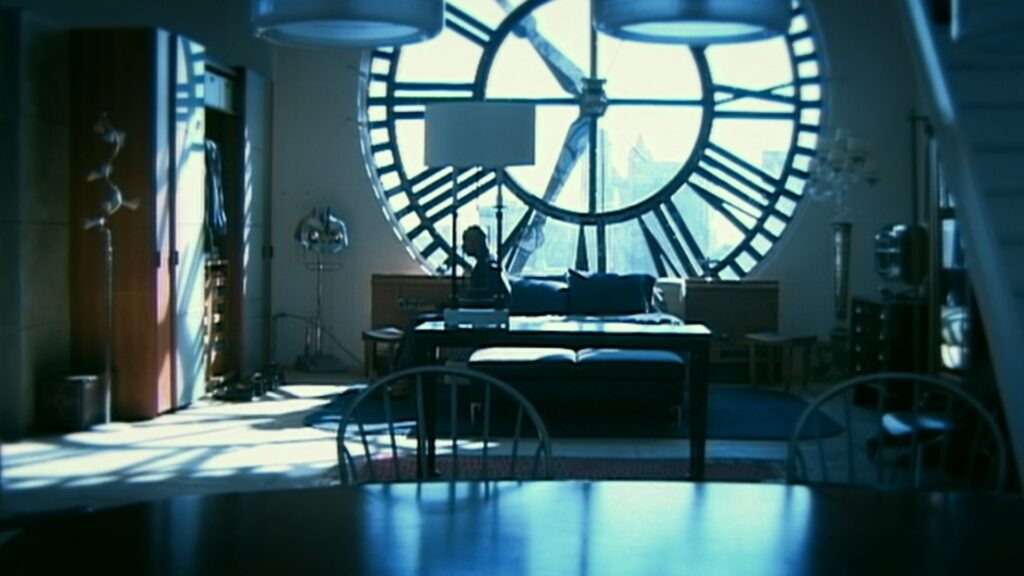
A little later, a mom entered the theatre with a very chatty young girl around 5 years old. They sat right behind me so I heard her constantly asking loud questions about the movie. Don’t judge me, but I hoped that something really inappropriate would encourage them to leave so they wouldn’t ruin the full theater’s experience. While it’s rarely gratuitous, there is a fair share of nudity, violence, and drug use in the 24-hours. How else would you authentically encapsulate cinema history?
As my luck would have it, the longest bawdy scene filled the screen shortly after their arrival. A beautiful young naked couple took long post-coital bong rips in bed. The woman’s breasts remained prominently on screen for easily a minute, which triggered their noisy exit. What will that kid tell her friends?
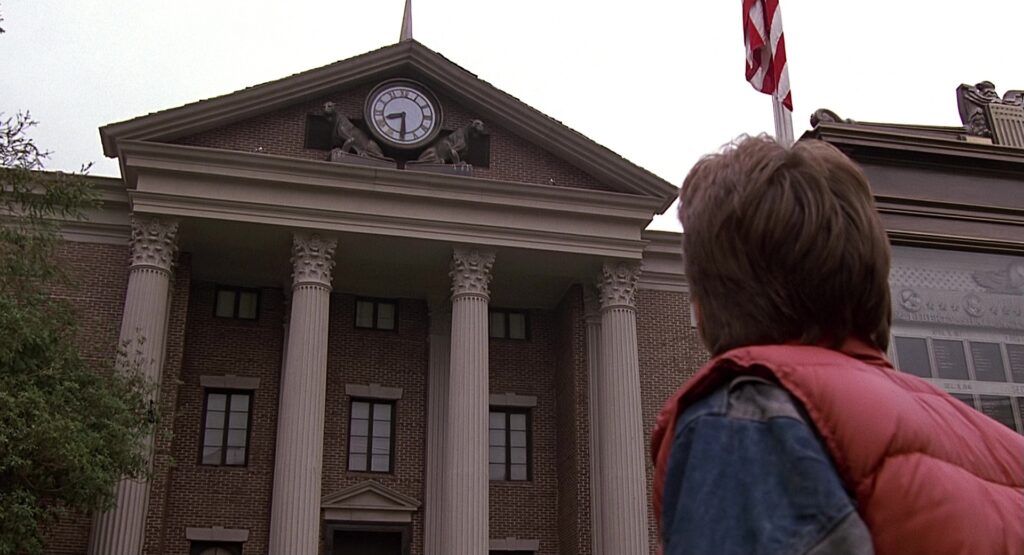
Melissa and I caught a lengthy chunk of the evening section on August 22 and there was one moment that caused us to lose our minds. At 9:37, the detectives in The Terminator (1984) call Sarah Connor’s house and in the next shot, a bartender picks up a phone and calls out for “Mr. Carter” in Get Carter (1971). We thought we heard him say Mr. Connor, which would’ve been remarkable. Either way, it’s a great cut for those with hearing problems or a vivid imagination. That also explains why more people in the theatre weren’t as excited by it as we were.
THE FUTURE
Watching a film like Kathryn Bigelow’s time-focused thriller A House of Dynamite (2025) begs the question: should The Clock be a living document that gets revised every number of years? I doubt Marclay would re-open that wound, but it would be interesting to see how it might change with almost two-decades more material. Personally, I plan to include a shot of a timepiece in everything I make moving forward just in case!
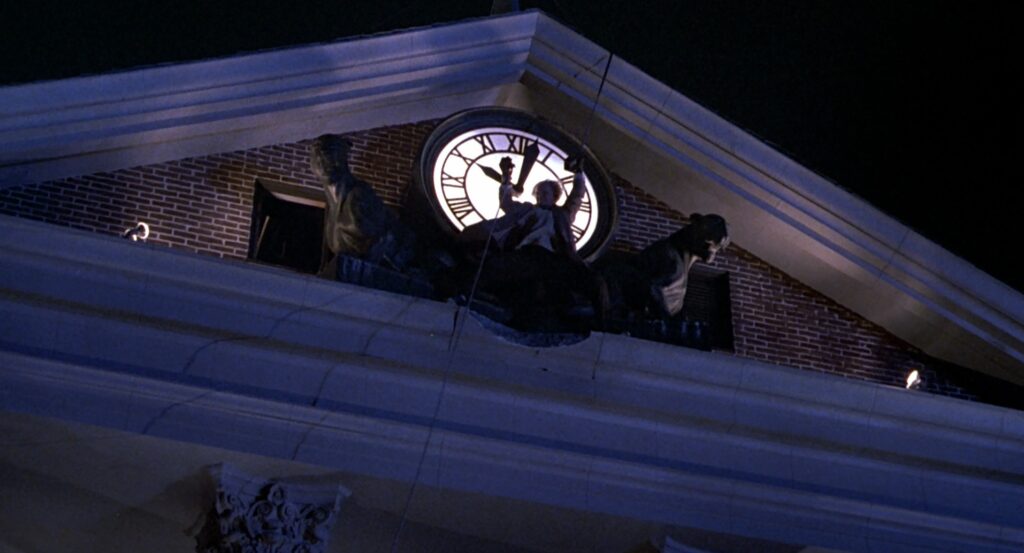
As the film ages, the references will feel more and more dated. I found great excitement and joy when discovering a scene from one of my favorite films earned a cameo thanks to a clock. I anticipated Christopher Walken’s watch-focused Pulp Fiction appearance, but I forgot about Quentin Tarantino’s morning monologue. QT’s kitchen scene features one of my favorite audio effects where Marclay cuts to other clips while relegating Quentin’s voice to sound like it’s in the other room. Playful moments like these keep you on high alert and craving the next creative decision.
Catching other classic scenes like Seth Rogen waking up in Heigl’s bed in Knocked Up (2007) makes me want to re-watch it. If copyright holders need a reason to allow The Clock to stream it’s this: it’s one long advertisement for cinema and all of the films featured in it! I can’t even imagine the marathon viewing required to watch all of the featured films in full, but I want to start!
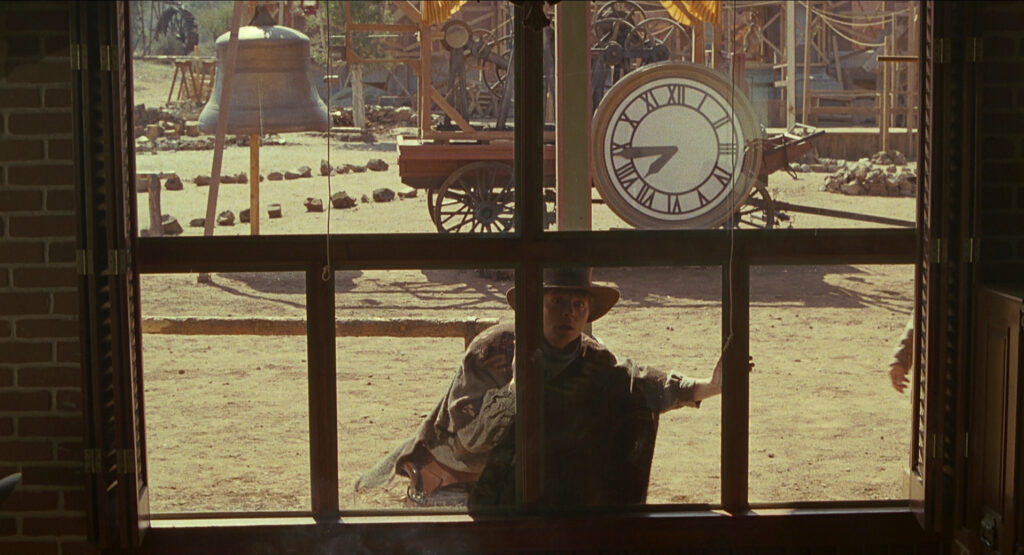
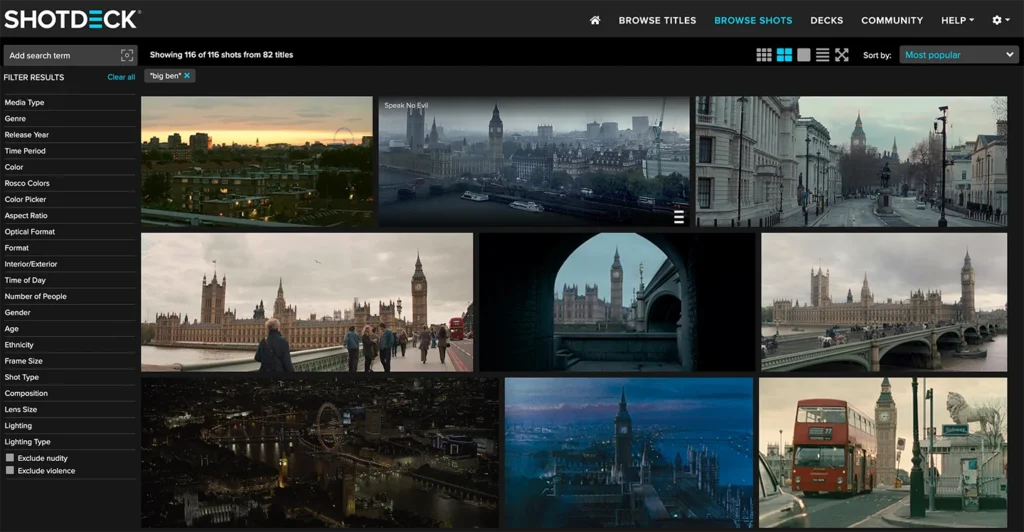
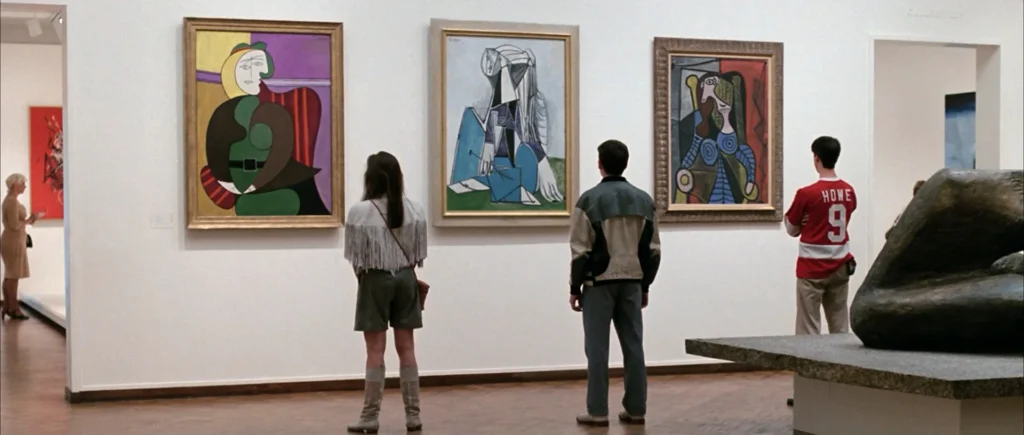
Speaking of copyright, like The Clock, the images here appear without license. I used ShotDeck, which is an essential tool for filmmakers, film scholars, and even film buffs. Aside from its robust search functions, it can act like a flip book for a movie because the frame grabs appear in order of appearance. You can essentially rewatch a movie in a matter of minutes or seconds! It’s really fun.
MY DESIRE FOR STATS
If the film eventually finds a streaming distributor, then I trust the nerds of the internet will analyze, notate, and decode the film’s 12,000 clips. I briefly sat next to somebody with a notepad so there’s definitely a desire to dig deeper. As someone with a long interest in stats, there are many tidbits I seek answers for:
Are there more shots of pocket watches, wrist watches, or grandfather clocks?
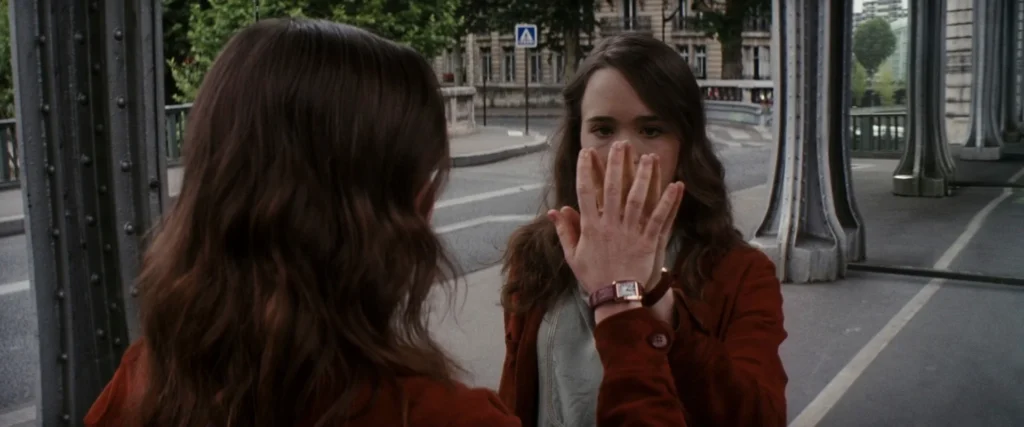
Which shot features the most clocks within a single frame? How many?
Which actor appears most frequently (runtime and quantity)? I guess Michael Douglas on both counts.
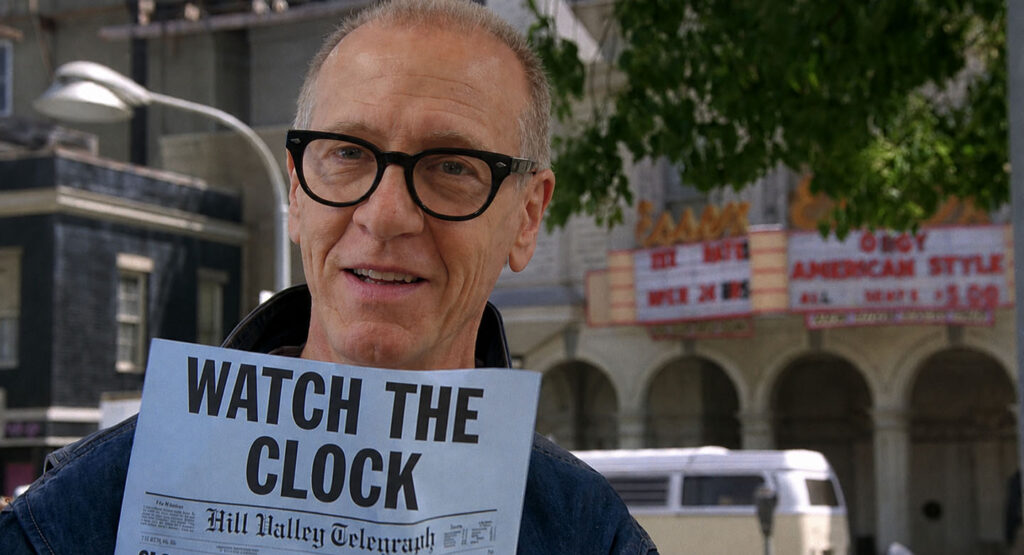
Spend enough time with The Clock and it may forever change how you watch (or make) movies. It’s almost impossible not to notice subsequent timepieces on screen!
I forgot to mention that I’m only missing the block from 1:30AM-7AM. I hope to someday catch that and rewatch other sections. Particularly 7AM-9AM as that was my favorite. As expected, Midnight was really exciting. Melissa proposed that we become “Clock Chasers” so perhaps we’ll be heading to London, Paris, Berlin, or New York sometime soon… It’s almost as fun and rare as Eclipse Chasing! Speaking of, we’ll see you for totality on August 2, 2027, likely in Tangier, Morocco.