[UPDATE — JUNE 2026]
This post originated in my micro blogging epoch and given its popularity, I’ve decided to flesh it out a bit. I hope you enjoy this beefier version.
How it started
Soon after production began on Peter Bogdanovich’s documentary, The Great Buster, our wonderful Producer, Roee Sharon Peled, introduced me to another project of his that was filming concurrently. As you probably know, doc filmmaking has an irregular cadence so it’s typical to have multiple balls in the air at once given your subjects’ schedules. The logistics of Buster were particularly complicated by the level of celebrity on our hit list.
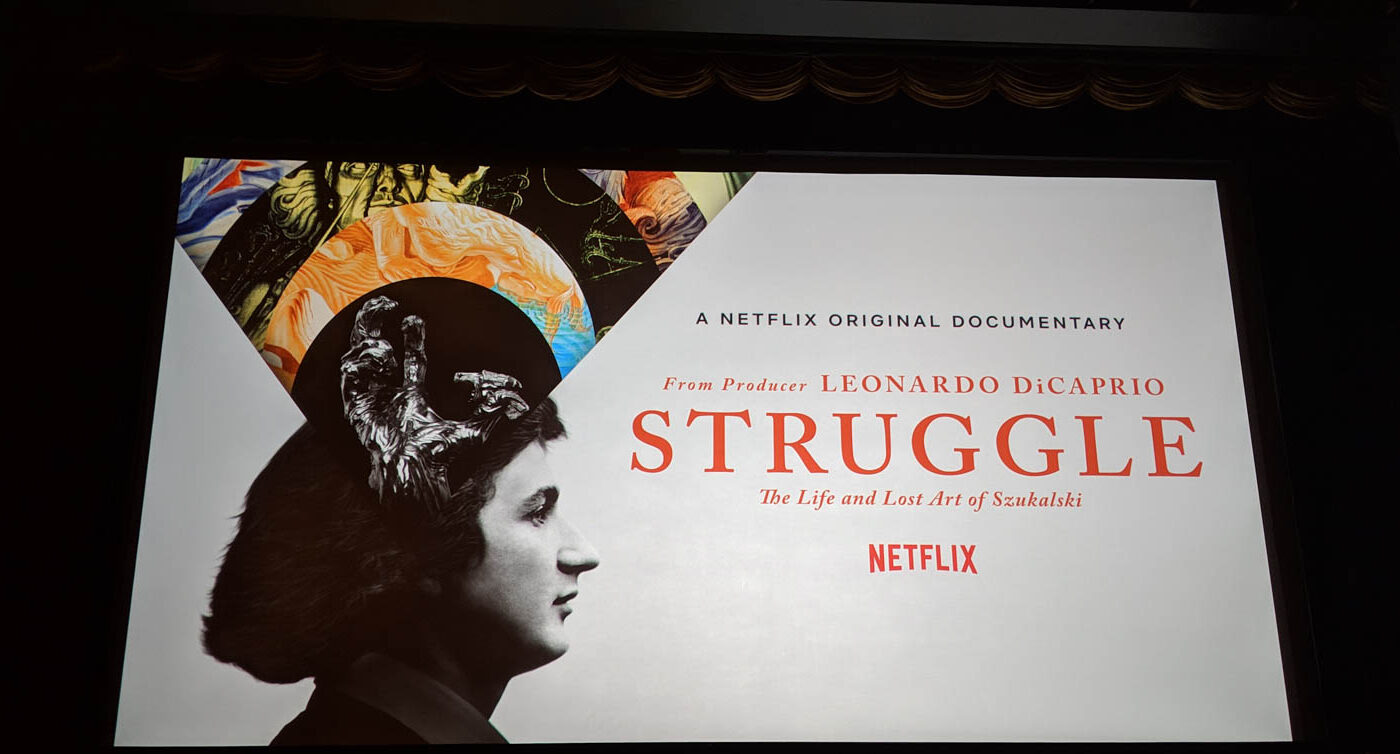
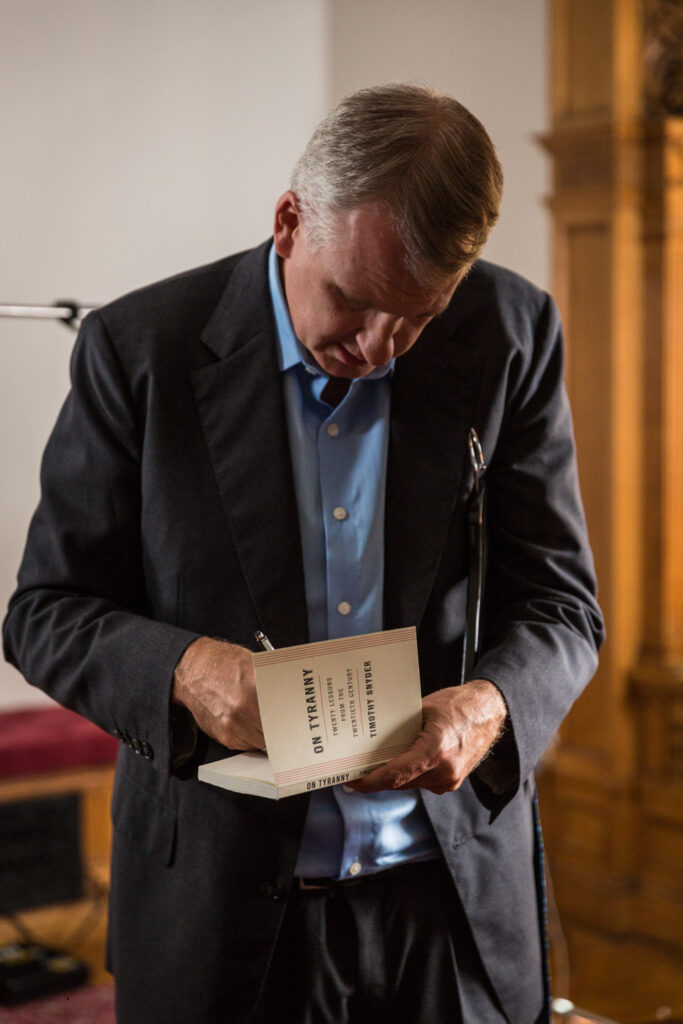
My first interview for the Netflix documentary, Struggle: The Life and Lost Art of Szukalski, brought me to New Haven, CT on September 4, 2017 for a thought provoking chat with Yale history professor Timothy Snyder. The film examines the Polish-American sculptor and painter Stanislav Szukalski (1893–1987) and his complicated legacy.
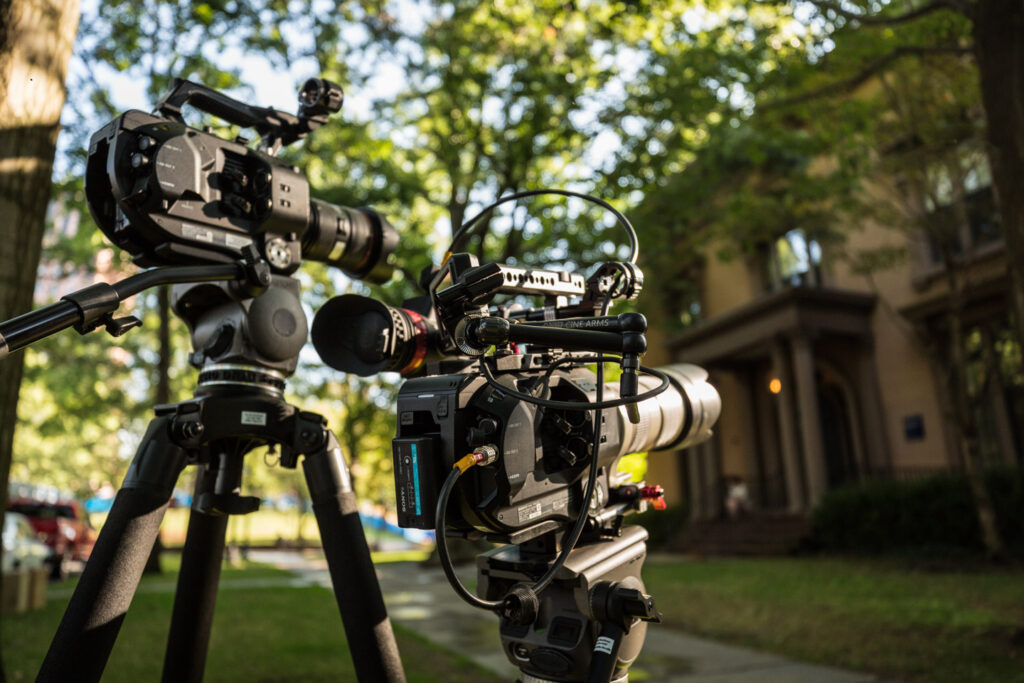
This marked my first collaboration with David Brodie who is also Los Angeles based and served as the editor on this feature doc. David stepped up as the director for the three production days that we shared to put the finishing touches on the film. According to the call sheet, my first day was actually the movie’s 43rd.
At the conclusion of our insightful interview, Timothy generously gave us all autographed copies of his new book, On Tyranny: Twenty Lessons from the Twentieth Century. It’s a great read with urgent messaging given the political climate worldwide. I highly recommend it!
The Sculptures
A month later, we interviewed Glenn Bray at his Granada Hills residence and captured the only non-CG shots of Szukalski’s sculptures. When you watch the film, they appear at the 1:17 mark. I really enjoy filming paintings, sculptures, and architecture. Szukalski’s detailed work begged to be shot extremely close-up. Thankfully the Canon EF 24-70mm 2.8L II allows for close focus that rivals a macro lens. My greatest take-away from this experience was Glen’s belief that sculptures are meant to be touched and he encouraged us to have a tactile relationship with the work.
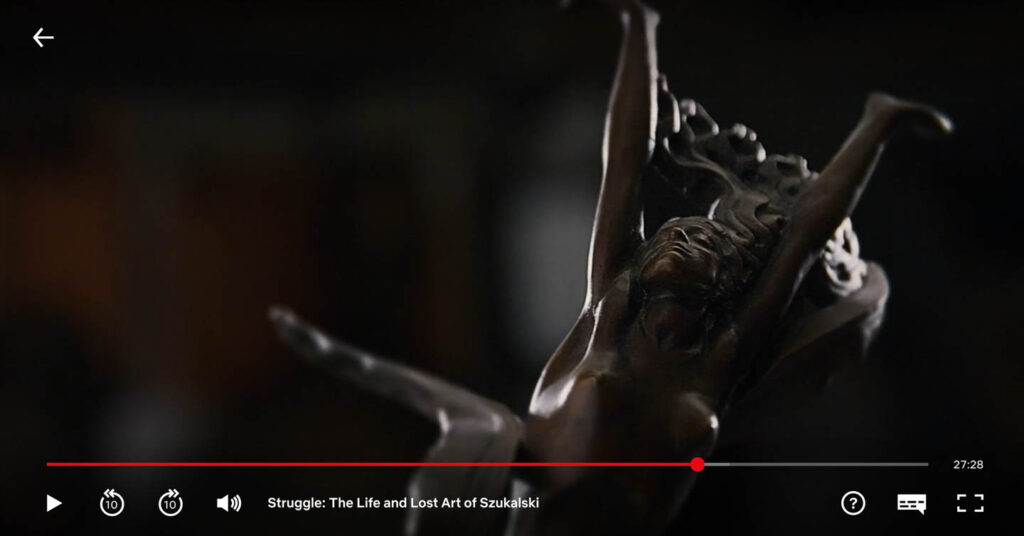
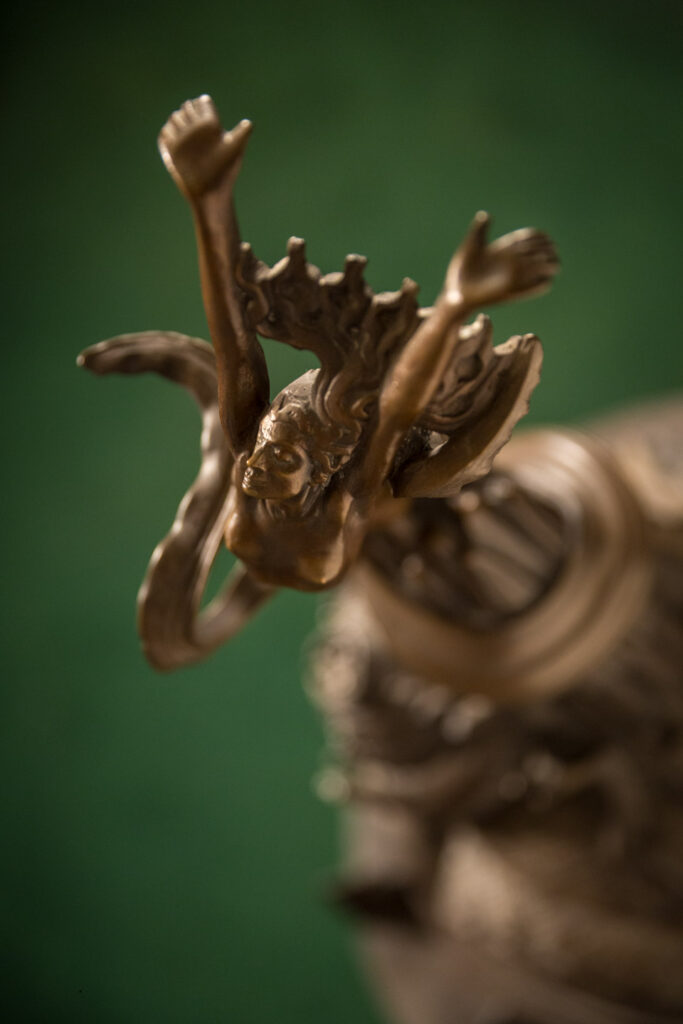
At the risk of sounding strange, I believe that taking the time to physically connect with the work helped me better capture the art on camera moments later. It is quite special to feel the curves, contours, and engravings of great sculpture and I’m grateful to have had the unique opportunity to do so. Late in life, my grandfather worked in stone and sculpted some really beautiful pieces himself. I’ve always been fascinated by the medium and admired his work.
For our final day, April 6, 2018, we headed up the street to George DiCaprio’s house in Silverlake. George and Leonardo DiCaprio are not only admirers of Szukalski’s work, but were friends with him and served as Producers on the film. We set up two different looks at George’s place: one outside in the partially enclosed patio and another in his living room.
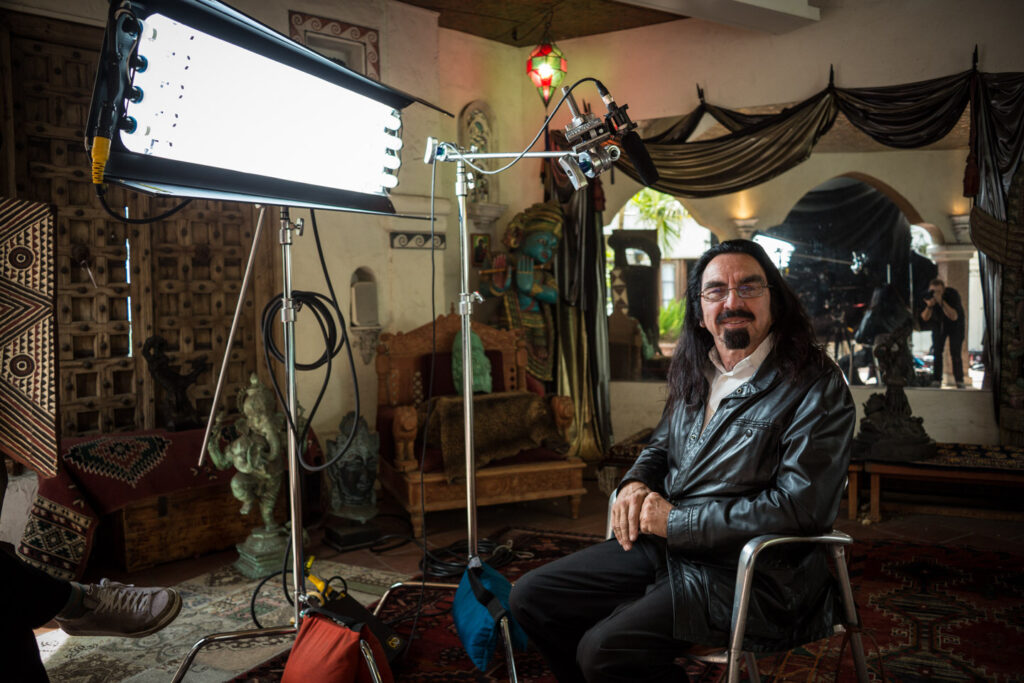
For several years, I brought two 2′ 4Bank Kino Flo lights to interviews along with two Aputure Light Storm LS 1c LED 1×1 panels. This production occurred within the very short window where I also owned a 4′ 4Bank Kino Flo light, so naturally I used that for my key light. A few months later, I sold all my Kinos and upgraded to the LiteGear S2 LiteMat 4 Hybrid and enjoyed the convenience of bi-color LEDs moving forward. I can’t imagine using fluorescent tubes ever again! I still have nightmares about swapping between K32 and K55 bulbs on the Kino Flo system.
The film had its World Premiere at the 31st Annual Amsterdam Documentary Film Festival soon after in November and started streaming December 21st on Netflix. It’s a great film and I hope you watch it.
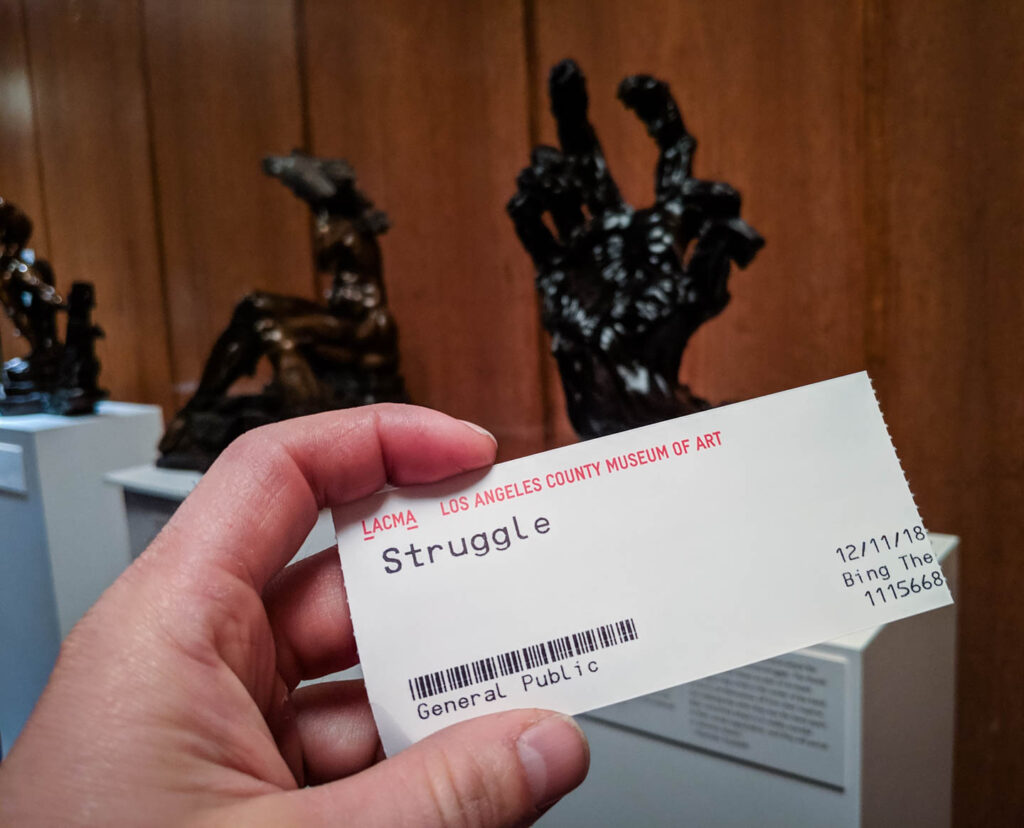
I attended the film’s wonderful premiere in Los Angeles on December 11, 2018 at the Bing Theatre at LACMA. Several of Szukalski’s most notable sculptures were on display for the event, which delighted audiences. As far as I know, nobody touched them.